Automated warehouse: why safety remains crucial even with automation
In an automated warehouse, safety remains a key concern. Even when vehicles operate autonomously and processes are highly controlled.
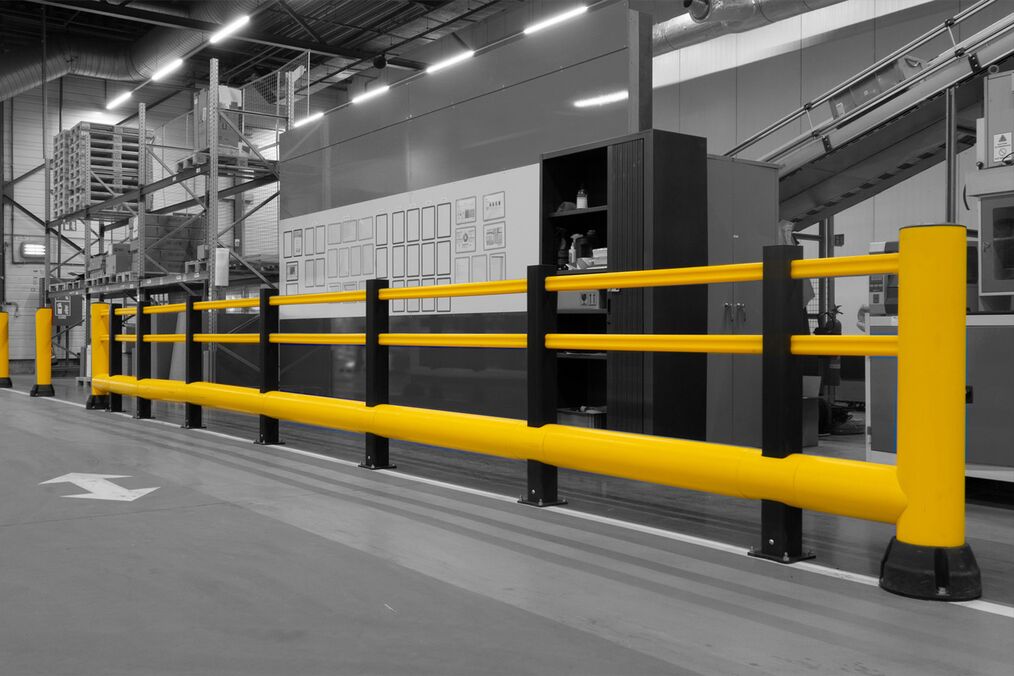
Automation plays an increasingly important role in industrial environments. Autonomous vehicles, automated warehouses and smart transport systems increase the efficiency and predictability of operations. At the same time, this can create the impression that safety automatically evolves with it. In practice, this is not the case. Automation does not remove risks; it changes them.
Even in highly automated warehouses, people, human-operated vehicles and infrastructure remain part of daily operations. This combination means that collision risks remain, even when vehicles operate autonomously.
What does safety mean in an automated warehouse?
Structural safety as a solid foundation
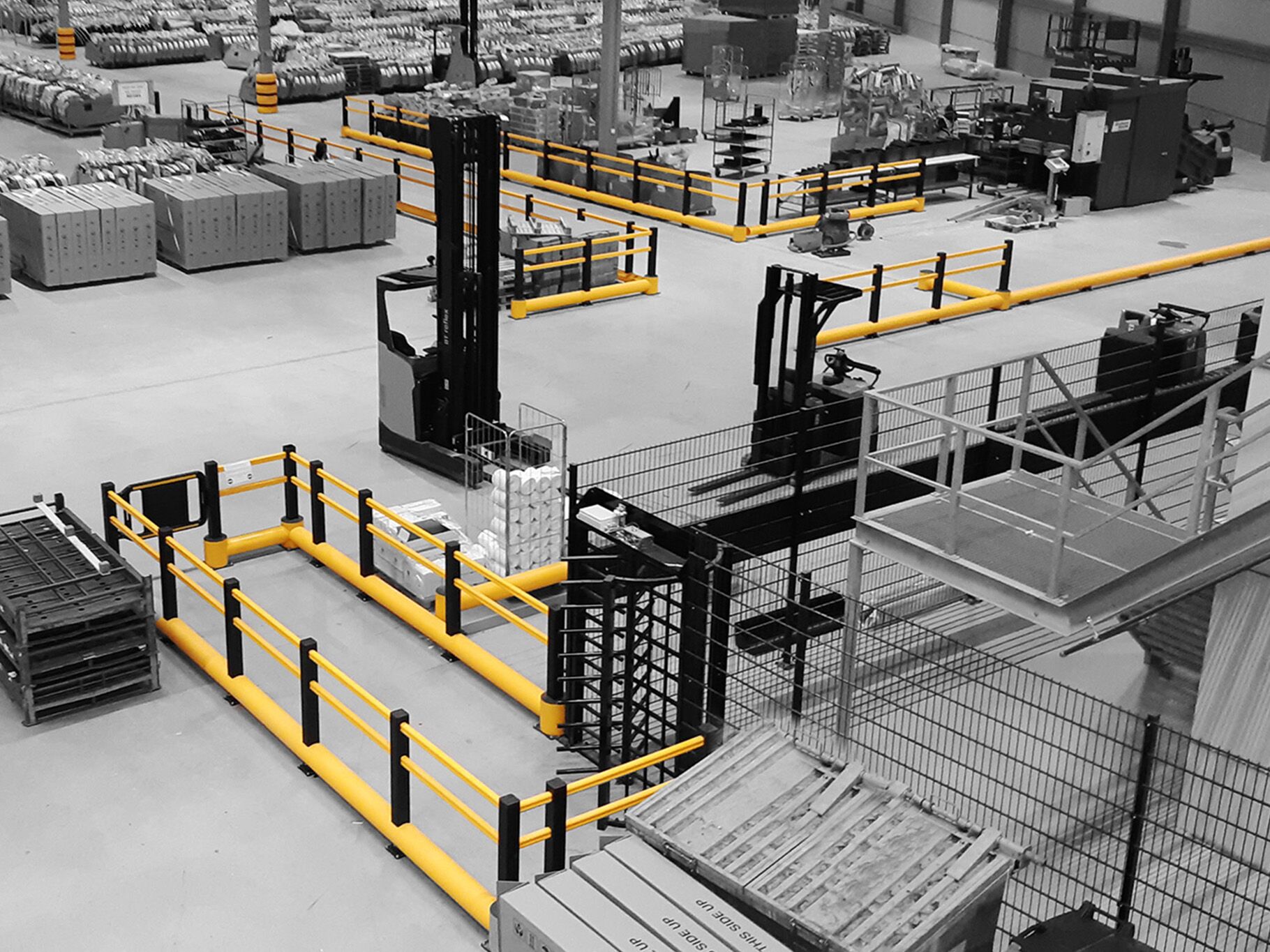
For this reason, the physical layout of the warehouse remains crucial. Structural safety measures limit the consequences when preventive systems reach their limits. By physically separating or protecting people, vehicles and infrastructure, risks become manageable and operational continuity is better safeguarded.
In automated environments, safety is not an additional measure but a deliberate design choice. Structural protection supports automation and ensures that efficiency and safety go hand in hand.
Frequently asked questions about safety in automated warehouses
No. Automation reduces certain risks, particularly those linked to human error, but it cannot eliminate them entirely. In automated warehouses, people, human-operated vehicles and infrastructure remain present. As a result, collision risks remain, especially in shared zones and exceptional situations.
Autonomous vehicles operate within predefined parameters. Temporary obstacles, maintenance work, altered routes and unexpected human behaviour can create situations that are difficult to predict. In such situations, a risk remains.
No. Even in an automated warehouse, safety risks remain. Automation reduces certain risks but does not eliminate them completely. Structural safety therefore remains essential, especially in shared zones and exceptional situations.
Technology and procedures are essential, but they do not provide a complete solution. They mainly focus on preventing incidents. When systems or processes deviate from the ideal scenario, additional protection is needed to limit the consequences of a collision.
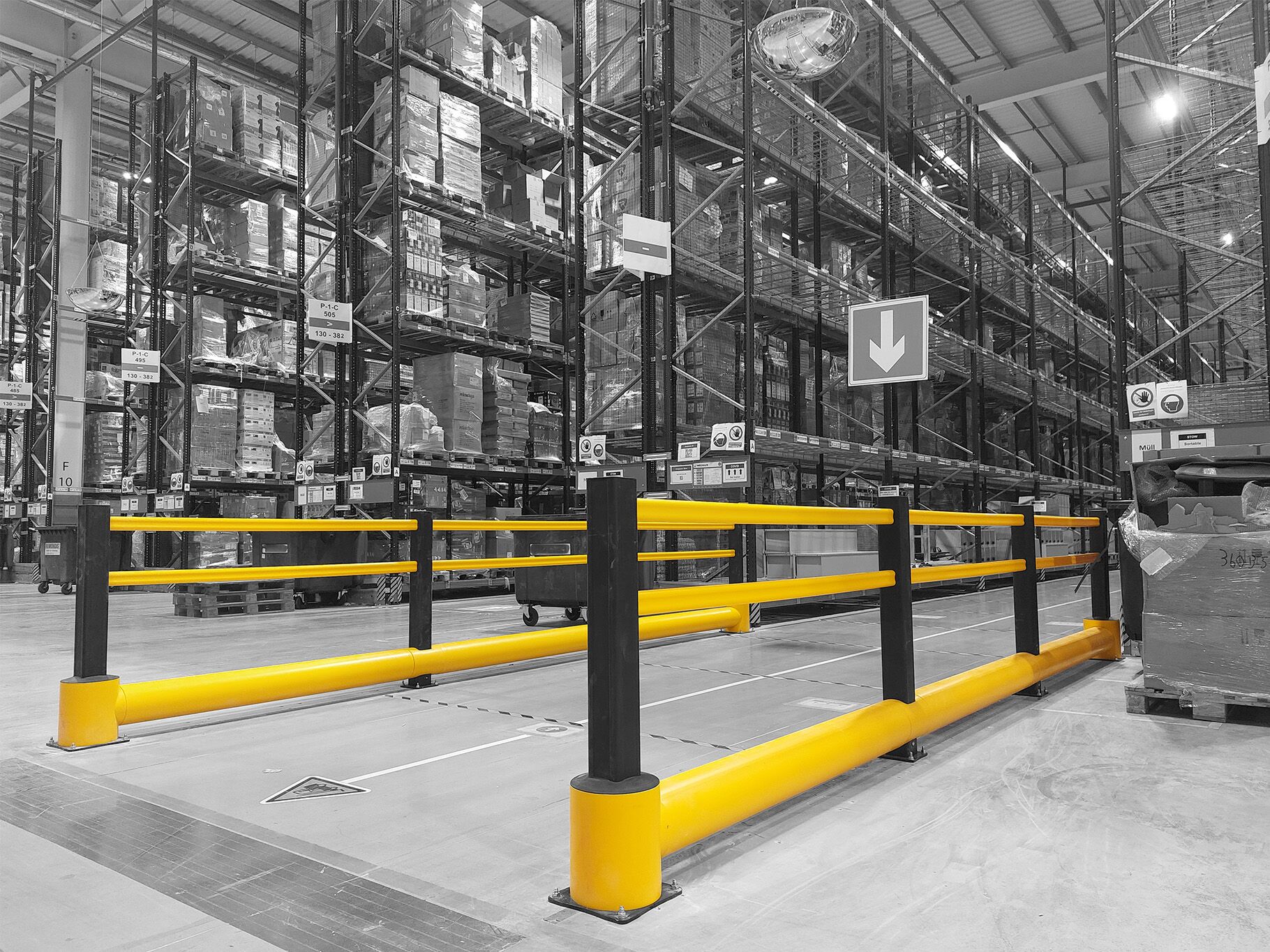
Physical safety measures form a structural layer within the safety concept. They protect people, vehicles and infrastructure when preventive measures reach their limits and help ensure stable, reliable warehouse operations. Want to know more? Read our white paper on safety in warehouses and distribution centres.
Yes. Reliability is particularly critical in highly automated environments. Structural safety solutions ensure incidents remain contained and do not result in prolonged downtime or additional risks for employees and operations. Read our blog about the seven warehouse risk zones where collisions most frequently occur.
Ideally already during the design phase of a warehouse or automation project. By identifying risks early and integrating physical measures into your design, you avoid having to adapt or correct safety infrastructure afterwards. Read our tips for creating a warehouse traffic plan.
Safety in automated warehouses results from the combination of technology, procedures and physical measures. When these elements are aligned, they create a robust safety concept that evolves with changing processes.